The Habits of Genius: Imagination
By David Steinberg
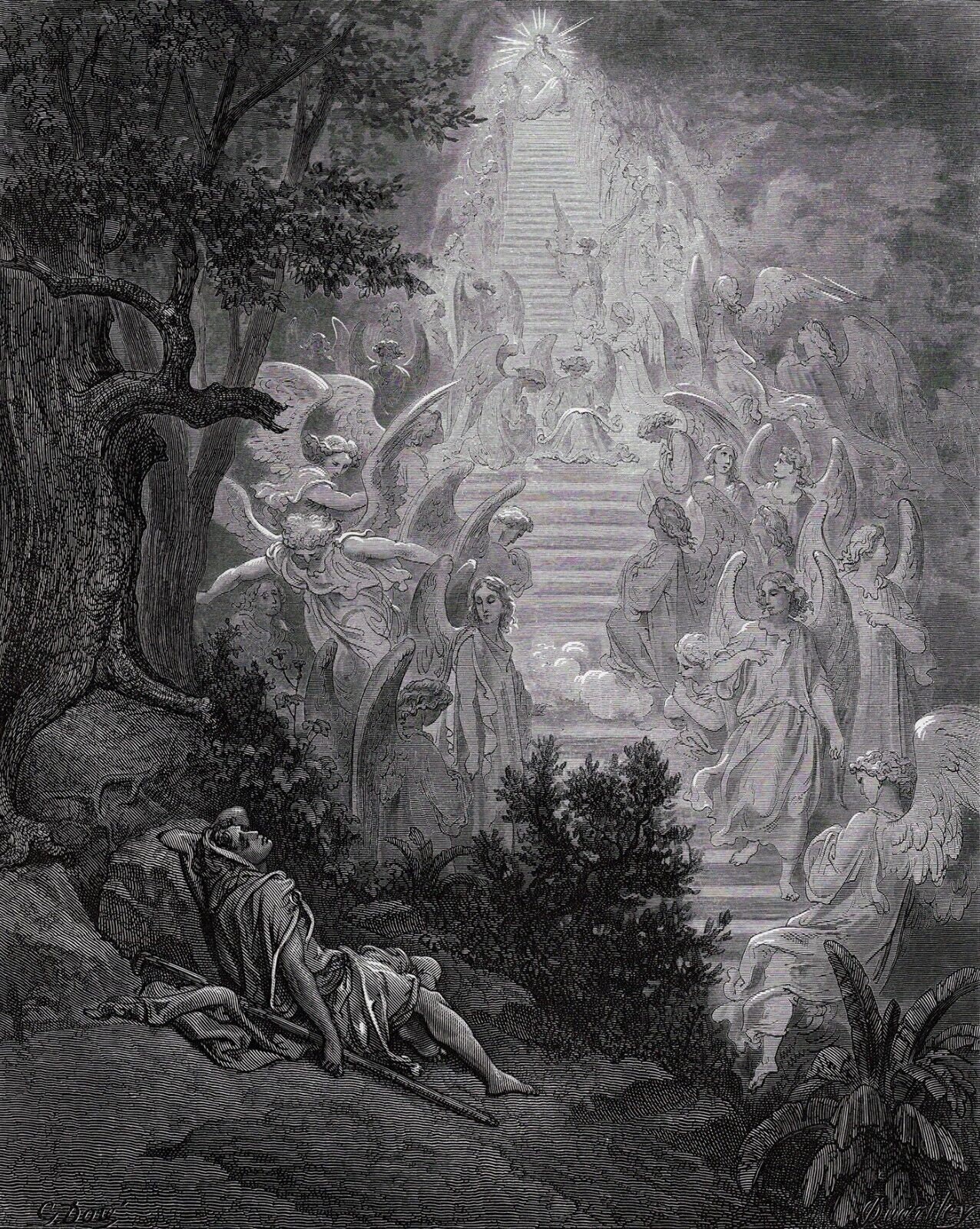
Imagination does not escape reality—it is the discipline to see what is not yet allowed and to live in that unseen world until the existing one concedes. It is an act of rebellion against the tyranny of the real.
Imagination is not daydreaming. It is romanticized as such, but I see it as active construction. The imaginative mind builds complete worlds, then reverse-engineers them into existence. It sees not what is, but what must become. This requires a kind of stubborn faith: holding the imagined thing so clearly that others begin to see it too. Imagination is contagious unreality that gradually infects the actual.
**Historical Examples**
Einstein's thought experiments were children's games with universe-breaking consequences. At 16, he imagined chasing a light beam. This juvenile fantasy unraveled Newton's cosmos. Later, he imagined falling in an elevator, feeling weightless—and realized gravity and acceleration were identical. He never performed these experiments. He didn't need to. "Imagination is more important than knowledge," he said, "for knowledge is limited to all we now know and understand, while imagination embraces the entire world."
Nikola Tesla claimed he could test inventions entirely in his mind, running virtual machines for weeks, then mentally disassembling them to check for wear. "Before I put a sketch on paper, the whole idea is worked out mentally. I change the construction, make improvements, and even operate the device in my mind." His alternating current system was debugged in imagination before metal was touched.
Elias Howe struggled for years to design a working sewing machine. One night, he dreamed he was captured by cannibals who threatened to kill him unless he invented one. In the dream, he noticed their spears had holes near the tips. He woke at 4 AM and rushed to his workshop—the eye of the needle needed to be at the point, not the base. The solution came from a nightmare about dancing cannibals. Imagination doesn't discriminate in its sources.
## Quotations
"Imagination is more important than knowledge. For knowledge is limited, whereas imagination embraces the entire world." — Albert Einstein
"I shut my eyes in order to see." — Paul Gauguin
"Everything you can imagine is real." — Picasso
"The lunatic, the lover, and the poet are of imagination all compact." — Shakespeare
"Discovery consists of seeing what everybody has seen and thinking what nobody has thought." — Albert Szent-Györgyi
"Logic will get you from A to B. Imagination will take you everywhere." — Albert Einstein
"The true sign of intelligence is not knowledge but imagination." — Albert Einstein
"Imagination rules the world." — Napoleon
Written by David Steinberg